Ellis Neumann · 18 September 2026
The Interplay Between Measured Pacing Designs and Biodiversity Shifts in Historic Public Gathering Areas
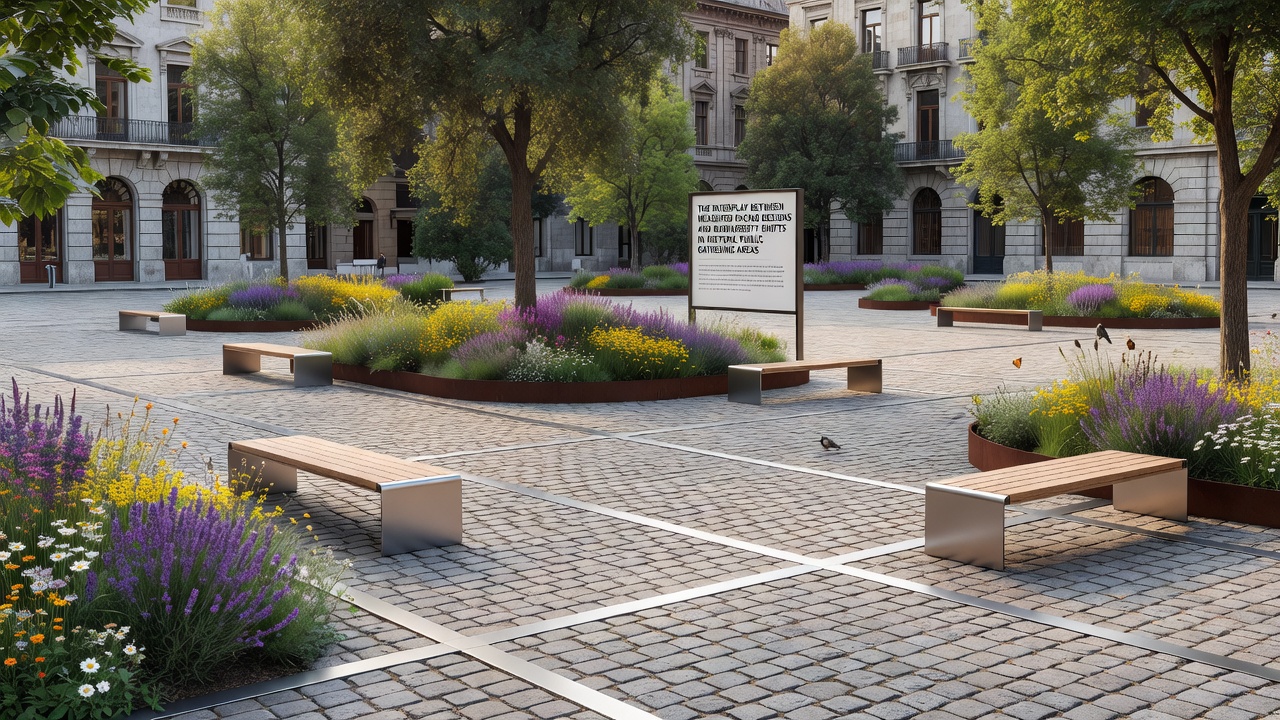
Measured pacing designs control pedestrian movement through historic public gathering areas by incorporating elements such as timed crossings, curved pathways, and subtle barriers that encourage slower walking speeds. These approaches connect directly to biodiversity shifts because reduced foot traffic velocity alters how species interact with soil, vegetation, and microhabitats in long-established urban squares and plazas. Data from multiple monitoring programs show that changes in movement patterns influence nesting sites, pollination routes, and plant succession over seasonal cycles.
Design Principles Behind Measured Pacing
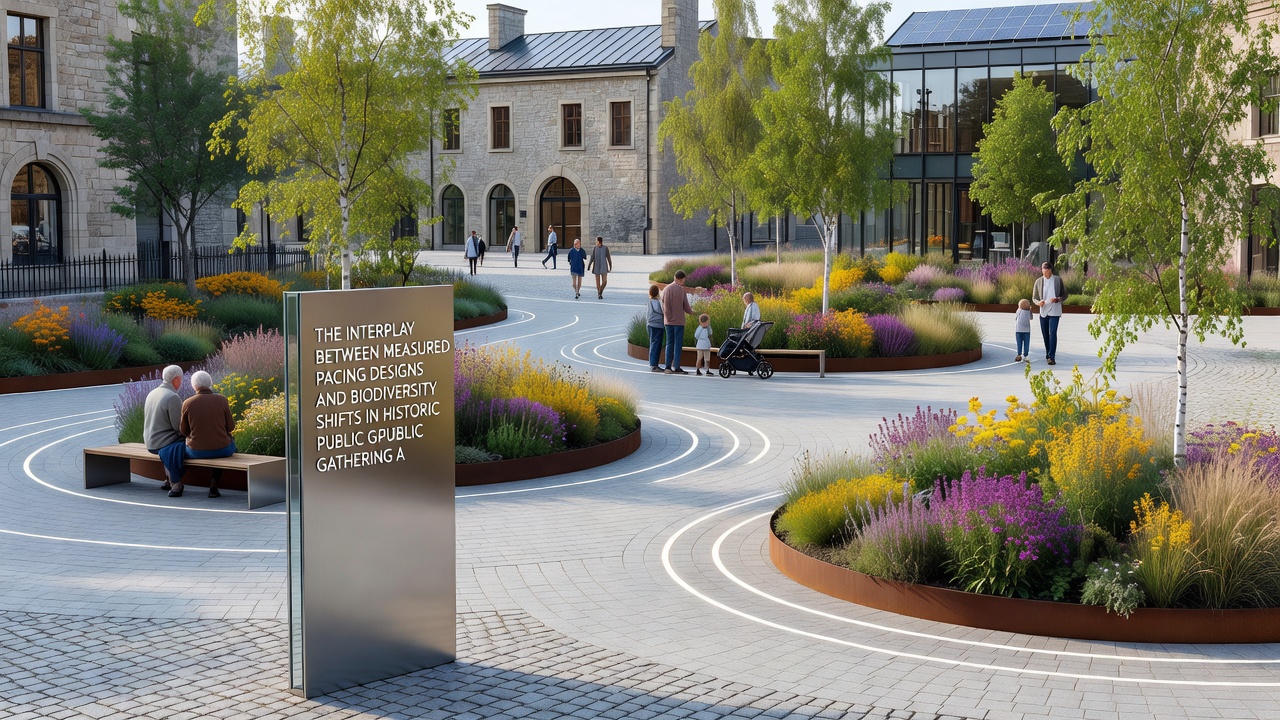
Planners integrate measured pacing through features like staggered paving stones and raised planters that break straight-line paths, and these interventions slow average walking speeds from 1.4 meters per second to around 0.9 meters per second in targeted zones. Research indicates such designs emerged in European city centers during the 1990s before spreading to North American and Australian heritage districts, where they address both crowd management and ecological concerns. Observers note that the resulting dwell times increase opportunities for visitors to notice surrounding flora and fauna without accelerating habitat fragmentation.
Path layouts often follow historical circulation records, which allows current implementations to respect original spatial rhythms while introducing modern adjustments. Studies conducted across Italian and Canadian sites reveal that consistent pacing zones correlate with measurable increases in ground-dwelling insect populations because soil compaction decreases when foot strikes distribute more evenly. Yet the same patterns can concentrate wear along edges, prompting shifts in plant community composition toward more resilient species.
Observed Biodiversity Responses
Avian surveys in preserved gathering areas demonstrate that slower pedestrian flows reduce nest abandonment rates among ground-foraging birds, while pollinator counts rise when floral borders remain undisturbed for longer intervals. Figures from the European Environment Agency track these trends across multiple seasons and link them to specific pacing interventions rather than general park management. Insect diversity data collected in parallel shows gains in beetle and ant species that thrive under moderate disturbance regimes created by deliberate path curvature.
Plant surveys further illustrate the connection because reduced trampling allows seed banks to germinate in previously compacted zones, and researchers have documented the return of native herbs alongside continued presence of introduced ornamentals. One longitudinal project in Melbourne tracked a 12 percent rise in native forb coverage within five years of pacing redesigns, although invasive grass species maintained dominance in high-traffic corridors. Soil microbiome sampling reinforces these findings by revealing elevated bacterial diversity where movement slows consistently.
Case Examples from Different Regions
Implementation in a Portuguese historic square combined pacing elements with native shrub restoration, and monitoring results indicated stable populations of three butterfly species previously in decline. Similar work in a U.S. national historic site produced parallel outcomes for small mammal activity once path widths narrowed and speeds moderated. Australian researchers reported comparable patterns in heritage parks where pacing zones protected root zones of century-old trees and supported understory recovery.
September 2026 marks the scheduled release of updated datasets from a multi-continent collaboration that began in 2022, and preliminary summaries already suggest that measured pacing contributes to resilience against urban heat effects on local fauna. These forthcoming figures will compare pre- and post-intervention metrics across ten sites and provide clearer baselines for future adjustments.
Monitoring Methods and Data Collection
Teams deploy motion-sensor cameras alongside vegetation quadrats to capture both human movement and species responses simultaneously, and acoustic recorders supplement visual counts for nocturnal activity. Remote sensing from satellites tracks broader canopy changes while ground-level sensors measure soil moisture retention that often improves under slower pacing regimes. Cross-referencing these streams allows analysts to isolate pacing effects from other variables such as seasonal rainfall or maintenance schedules.
Conclusion
Measured pacing designs continue to shape biodiversity trajectories in historic public gathering areas through direct influence on movement dynamics and habitat conditions. Evidence accumulated to date shows measurable shifts in species composition, abundance, and interaction networks when pacing controls remain in place over multiple years. Ongoing programs scheduled to release new findings in September 2026 will refine understanding of these relationships across varied geographic and climatic contexts.